Buying guide · Rooftop tents
Best Rooftop Tent for 2026
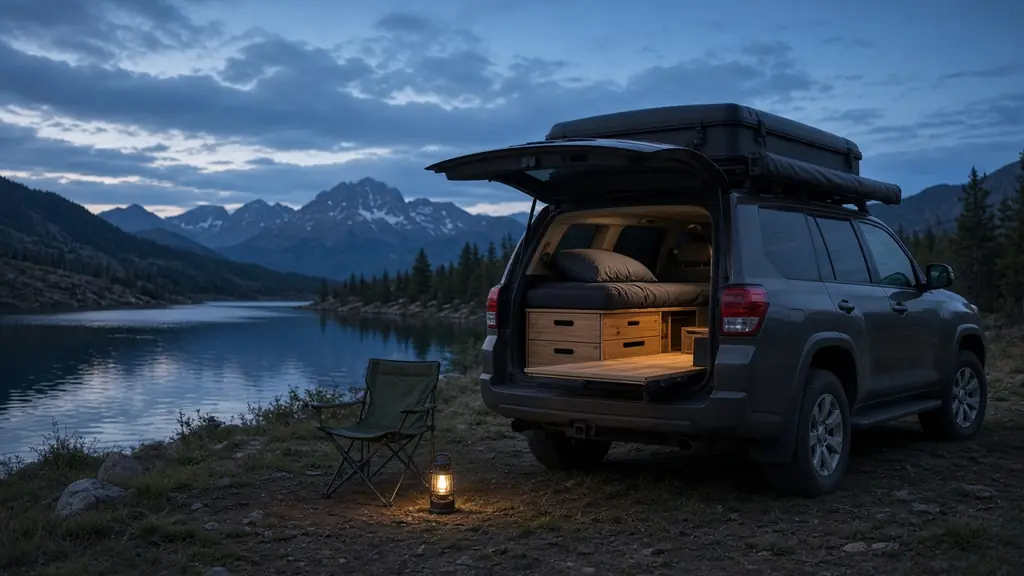
A rooftop tent turns any SUV, truck or wagon into a basecamp.
As an Amazon Associate, Overland Gear Lab earns from qualifying purchases. Links to Amazon on this site are affiliate links: if you buy through them we may earn a commission at no extra cost to you.
Our shortlist
The shortlist below is generated from our product database. It currently contains sample placeholders — real picks appear once products are added.
-
#1
Sample: the fast-setup hardshell pick Sample
Sample Hardshell Clamshell Rooftop Tent
Placeholder for a hardshell clamshell rooftop tent — the style that pops open on gas struts in about a minute and closes into a low aerodynamic shell.
Best for: Overlanders who move camp every night and want setup in about a minute.
7.3/10 -
#2
Sample: the roomy value pick Sample
Sample Fold-Out Softshell Rooftop Tent
Placeholder for a fold-out softshell rooftop tent — the classic design that unfolds over the side of the vehicle onto its ladder, often with an annex room below.
Best for: Families and weekenders who camp in one spot for a few nights.
6.3/10
A rooftop tent turns any SUV, truck or wagon into a basecamp. The right one depends less on the brand and more on three numbers: your roof's dynamic load rating, the tent's weight, and how fast you need to set up every night.
1Start with your roof, not the tent
Every vehicle roof and every roof rack has two ratings. The dynamic load is what it can carry while driving — this is the limiting number, and it is often modest on cars and crossovers. The static load is what it can hold when parked, which is much higher and has to support the tent plus the people sleeping in it.
The tent's weight plus the rack's own weight (and anything else on the roof) must stay under the lower of your vehicle's and your rack's dynamic ratings. Look these up in your owner's manual and the rack maker's spec sheet before you shortlist anything. Our Build Your Rig tool lets you enter that number and checks it against each tent's listed weight.
2Softshell or hardshell?
Softshell (fold-out) tents unfold over the side of the vehicle onto the ladder. They usually give the most floor space per dollar and often include an annex room underneath, but you strap a travel cover on and off, so setup takes longer.
Hardshell tents (clamshell, pop-up or wedge) open on gas struts in a minute or two, close into an aerodynamic shell and shed wind and snow better. They typically cost and weigh more, and some offer less sleeping width.
3Sleeping space and comfort
Check the actual mattress footprint rather than the marketing “sleeps 3”. Mattress thickness matters for side sleepers, and many owners add an anti-condensation mat underneath. If you camp with kids or a dog, a fold-out softshell or a wide hardshell is the safer bet.
4Weather protection
Look at the fabric (poly-cotton canvas breathes and reduces condensation; polyester is lighter and dries faster), the waterproof rating in millimetres of hydrostatic head, and whether the maker calls it 3- or 4-season. Winter campers should prioritise 4-season designs, insulation options and solid wind performance.
5Setup, ladder and height
If you move camp every night, setup time dominates the experience — this is where hardshells shine. Make sure the ladder reaches the ground from your roof height (lifted trucks may need an extension), and remember the closed height adds to your vehicle's total height for garages and drive-throughs.
Frequently asked questions
Will a rooftop tent fit my car?
It depends on your roof's and rack's dynamic load rating. The tent's weight plus the rack must be below the lower of the two. Check your owner's manual and rack spec sheet.
Do I need a special roof rack?
You need crossbars or a platform rack rated for the tent's weight while driving (dynamic load). Factory side rails alone are often not enough — confirm the ratings.
Hardshell or softshell rooftop tent?
Hardshells set up faster and handle wind better; softshells usually give more space per dollar and often include an annex. Choose by how often you move camp.
Does a rooftop tent affect fuel economy?
Yes — any roof load adds drag and weight. Low-profile hardshells generally add less drag than tall softshells with travel covers.
Put your top picks side by side.